Darksn GmbH | IT-Lösungen Ludwigsburg, Stuttgart
ERP Integration: Types, Approaches, Key Steps, And Services
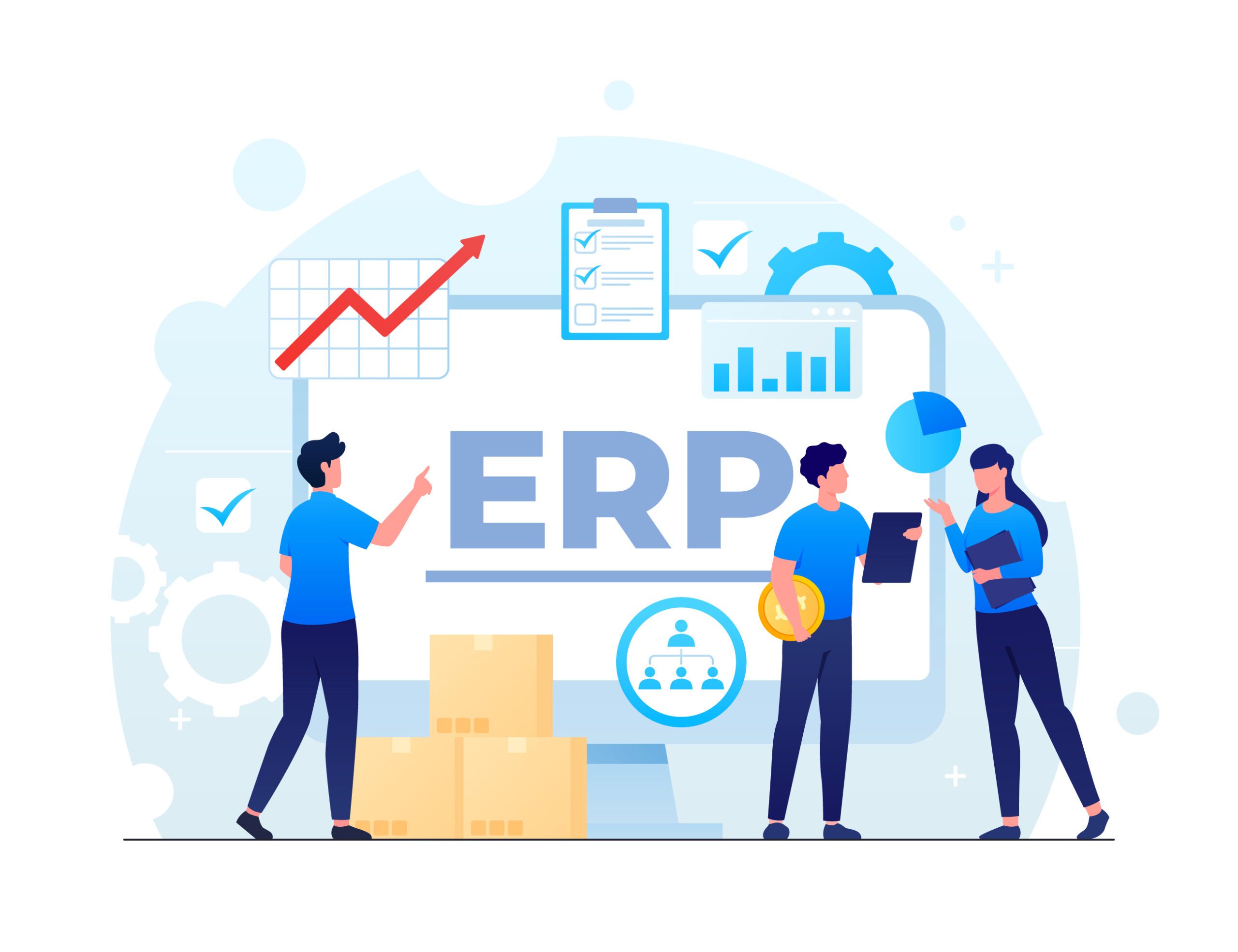
ERP integration is essential for businesses looking to unify their core systems, streamline operations, and improve efficiency across departments. At Darksn, we specialize in seamless ERP integration services designed to ensure all of your business processes work together harmoniously.
The Scope Of Our ERP Consulting Services
At Darksn, we offer comprehensive ERP consulting services designed to help businesses streamline their processes, improve efficiency, and achieve greater returns on their ERP investments. Our experienced consultants work closely with you to ensure that the ERP solution selected aligns with your business goals and supports long-term growth.
Our ERP consultants lay the foundation for successful automation and business process improvements by guiding you through every step of the ERP implementation journey.
Key Services:
- Cost-Benefit and Business Case Analysis — We conduct thorough cost-benefit and business case analyses to help determine the financial value and long-term benefits of the ERP project for your business.
- Business Environment and Process Analysis — Our team analyzes your existing business environment to identify gaps in current processes, ensuring that the ERP solution addresses all critical pain points.
- Process Mapping — We map out "to-be" business processes, aligning them with your future business needs and goals to ensure efficiency and scalability.
- System and Requirements Analysis — Our consultants perform a detailed system analysis to conceptualize the ERP solution that fits your business model and requirements.
- ERP Software Conceptualization — Darksn's ERP experts work with you to design and conceptualize a customized ERP solution, taking into account your specific operational needs.
- Change Readiness Evaluation — Before implementation, we evaluate your organization's readiness for change, identifying potential challenges and ensuring that your team is prepared for the transition.
- Project Vision and Team Collaboration — We create a unified project vision, bringing together your project team and ensuring alignment with organizational goals throughout the ERP implementation.
- ERP Solution Options with TCO and ROI Analysis — Darksn outlines multiple ERP solution options, providing detailed Total Cost of Ownership (TCO) and projected Return on Investment (ROI) analyses, empowering you to make informed decisions.
- ERP Software Selection Process — We help you plan and execute the ERP software selection process, ensuring that the chosen solution aligns perfectly with your long-term business strategy.
- Contract Negotiation with ERP Vendors — Darksn's consultants support you in negotiating contracts with ERP vendors to ensure the best value, services, and terms for your organization.
At Darksn, we provide comprehensive support throughout the ERP implementation process, ensuring the project is executed efficiently, within scope, and on budget. Our goal is to streamline the implementation, mitigate risks, and help your business transition seamlessly to a new ERP environment.
Key ERP Implementation Support Services:
- ERP Project Evaluation — We start by conducting a thorough evaluation of the ERP project, assessing project goals, budget, available resources, timeframes, and potential risks. This step ensures that all elements of the project are clearly defined from the outset.
- ERP Project Planning and Roadmap Creation — Our team develops a detailed project roadmap that includes scheduling, resource allocation, contingency scenarios, and a change management strategy. This plan ensures the project stays on track, accounting for any unforeseen challenges.
- Resource Allocation and Stakeholder Collaboration — Darksn allocates the necessary resources and sets up effective collaboration between project stakeholders. We ensure that every team member is aligned with the project's goals and responsibilities, enhancing efficiency and communication.
- Verification and Validation Activities — We assist in verifying and validating the implemented ERP system to ensure that it meets the defined business requirements and functions as expected. This step guarantees the accuracy and reliability of the solution.
- Security Consulting — Our team provides security consulting services to safeguard your ERP system, ensuring that all sensitive data and operations are protected against potential threats during and after implementation.
- Project Control and Contingency Execution — Should the project deviate from its planned course, Darksn executes project control measures and contingency plans. Our proactive approach helps mitigate risks and resolve any issues, ensuring that the project stays within the set parameters.
We begin by conducting a comprehensive evaluation of your existing ERP systems to identify strengths, weaknesses, and areas for improvement. This assessment includes a thorough analysis of current workflows, user experiences, and system performance metrics. By understanding your organization's specific requirements and pain points, we can recommend tailored solutions that enhance operational efficiency. Our goal is to ensure that your ERP system aligns with your strategic objectives and supports your long-term growth.
Recognizing that each business has unique needs, we specialize in designing and implementing customized ERP solutions that cater to your specific operational demands. Our team collaborates closely with you to understand your business processes and identify the most effective ERP features to streamline operations. We focus on creating flexible, scalable solutions that not only address your current requirements but also adapt to future changes. This personalized approach ensures that you maximize your investment in technology while driving continuous improvement across your organization.
Effective utilization of your ERP system hinges on user competence and engagement. We provide extensive training programs tailored to different user roles, ensuring that your team is fully equipped to leverage the system's capabilities. Our training covers essential functionalities, best practices, and troubleshooting techniques to empower your employees. Additionally, we offer ongoing support services to address any challenges that arise post-implementation. Our dedicated support team is available to assist users, ensuring seamless operation and high satisfaction levels.
The landscape of technology and business needs is ever-evolving, and so should your ERP system. We are committed to helping you maintain a competitive edge through regular system updates and enhancements. Our continuous improvement process involves monitoring your system's performance, gathering user feedback, and analyzing emerging industry trends to propose relevant upgrades. By ensuring your ERP solution evolves with your business, we help you capitalize on new opportunities and maintain operational excellence.
Benefits Of ERP Integration
ERP integration centralizes data management, streamlines workflows, and enhances overall efficiency by connecting your ERP system with other applications.
Single Source Of Truth
An integrated ERP system consolidates all business data into a centralized database, providing a unified view of information across the entire organization. This centralization significantly improves transparency, ensures data consistency, and supports more comprehensive and accurate analytics, aiding in informed decision-making.
Data Silos Breakdown
Integration of ERP systems with legacy or homegrown applications helps to dismantle data silos. This seamless connection ensures that critical business information, previously isolated in separate systems, is accessible and usable across the organization, leading to better data management and coordination.
Enhanced Workflows
Integrating ERP systems enhances workflow management by enabling real-time tracking of departmental performance and adherence to corporate objectives. It allows for better task assignment and monitoring, reducing the risk of process disruptions and ensuring that operational activities are streamlined and aligned with strategic goals.
Automated Workflows
By integrating ERP with other applications, organizations can automate routine and time-consuming data management tasks effectively. This automation significantly reduces human errors, enhances the accuracy and reliability of business operations, and boosts overall employee productivity by allowing staff to focus on more strategic and high-value activities that drive growth.
Improved Team Collaboration
ERP integration promotes data consistency and accessibility between various systems, which facilitates smoother communication and collaboration among different departments within the organization. This cohesion helps teams work together more effectively, aligning their efforts towards common goals and significantly improving overall organizational efficiency.
Better Customer Experience
The integration of customer-facing tools with back-end ERP systems ensures a continuous flow of data, which accelerates lead conversion and improves customer interactions. This integration provides a holistic view of customer interactions and preferences, enabling departments to respond more effectively to customer needs and enhance overall satisfaction.
ERP Integration Lifecycle
Requirement Analysis
Define business needs, assess current systems, and outline integration goals. Conduct thorough analysis of existing processes to identify areas for improvement and potential challenges.
System Design
Create a detailed blueprint for the integration, including data flow diagrams, interface designs, and system architecture. Select appropriate technologies and integration methods based on project requirements.
Development Planning
Establish project timelines, allocate resources, and set key milestones. Create a risk management plan and define clear communication channels for all stakeholders involved in the integration process.
Implementation
Execute the integration plan, focusing on data migration, system configuration, and custom development where necessary. Ensure seamless connection between ERP and existing systems while maintaining data integrity.
Testing & Validation
Conduct rigorous testing of all integrated components, including unit tests, integration tests, and user acceptance testing. Validate data accuracy and system performance under various scenarios and load conditions.
Deployment & Support
Roll out the integrated system, provide user training, and monitor initial operations closely. Establish ongoing support mechanisms and continual improvement processes to ensure long-term success of the ERP integration.